Yango’s Expansion to Hawassa Signals a New Phase for Ethiopia’s Digital Economy

Posted on | | 1 Comment on Yango’s Expansion to Hawassa Signals a New Phase for Ethiopia’s Digital Economy

Source: Ethiopia: Yango Launches Ride-Hailing Service in Hawassa, Its First Expansion Outside Addis Ababahttps://www.2merkato.com/news/transport/8913-ethiopia-yango-launches-ride-hailing-service-in-hawassa-its-first-expansion-outside-addis-ababa For years, Ethiopia’s ride-hailing industry was largely focused on Addis Ababa. If you wanted app-based transportation, the capital was where innovation happened first. That is beginning to change. Yango recently launched its ride-hailing service in Hawassa, making it the company’s first expansion outside Addis Ababa. While this may seem like a simple business expansion, it points to something much larger: Ethiopia’s digital services economy is starting to spread beyond the capital. Why Hawassa Matters Hawassa is one of Ethiopia’s fastest-growing cities. It attracts tourists, students, businesses, and manufacturers. As the city grows, so does the demand for transportation. By entering Hawassa, Yango is testing an important question: Can digital services that succeed in Addis Ababa also work in other Ethiopian cities? If the answer is yes, it could encourage more technology companies to expand nationwide. A Global Pattern Reaching Ethiopia This trend has already played out in many countries. Ride-hailing companies such as Uber, Bolt, and inDrive typically start in major cities before expanding into secondary urban centers. The reason is simple. As smartphone adoption increases and digital payments become more common, consumers outside capital cities begin expecting the same convenience. Ethiopia appears to be entering that stage. More Than Just Taxi Rides Yango’s Hawassa service includes Bajaj vehicles, four-wheeled Bajaj transport, and motorcycle taxis. That decision reflects an important reality. Successful technology companies often adapt to local transportation habits rather than forcing a one-size-fits-all model. Instead of copying services from Europe or North America, platforms must work within local conditions. That approach may help digital mobility services grow faster in Ethiopia. What This Means for Consumers For residents and visitors, increased competition can create benefits such as: Competition often pushes companies to improve customer experience. Consumers are usually the biggest winners. Opportunities for Local Businesses Digital transportation services also create opportunities beyond mobility. Restaurants, delivery businesses, tourism operators, and retailers often benefit when transportation becomes easier and more predictable. Improved mobility helps connect customers with businesses more efficiently. Challenges Ahead Expansion is one thing. Long-term success is another. Companies operating outside Addis Ababa may face challenges related to: How these challenges are managed will influence the future of digital services in regional cities. Why This Matters The significance of Yango’s move is not just about transportation. It is about digital transformation. When technology companies begin expanding beyond the capital, it often signals that a country’s digital economy is becoming broader and more mature. For Ethiopia, that could mean more innovation, more competition, and more choices for consumers. The Bottom Line Yango’s arrival in Hawassa is a reminder that Ethiopia’s digital economy is no longer confined to Addis Ababa. As more companies look beyond the capital, consumers across the country may gain access to services that were once available only in major urban centers. And that could be one of the most important business trends to watch in the coming years.

Why Ethiopian Airlines Is More Than Just an Airline

Posted on | | Leave a Comment on Why Ethiopian Airlines Is More Than Just an Airline

Source: Ethiopian Airlines Annual Reporthttps://corporate.ethiopianairlines.com/AboutEthiopian/AnnualReport When most people think of Ethiopian Airlines, they think about flights. Travel. Airports. Destinations. But Ethiopia’s national carrier has become much more than a transportation company. Today, Ethiopian Airlines is one of Africa’s most influential businesses, playing a major role in tourism, trade, employment, logistics, and the country’s global reputation. Its impact reaches far beyond the aviation industry. Africa’s Largest Airline Over the past decade, Ethiopian Airlines has grown into Africa’s largest airline by revenue, fleet size, and passenger network. The company serves destinations across Africa, Europe, Asia, the Middle East, and the Americas. For many international travelers, Ethiopian Airlines is their first interaction with Ethiopia. That gives the airline a unique role as both a business and a national ambassador. More Than Passenger Flights Many people focus on passenger travel. But cargo operations have become increasingly important. E-commerce growth, international trade, and global supply chains have increased demand for air cargo services. Ethiopian Airlines has invested heavily in cargo facilities and logistics infrastructure, helping move products across continents. This is particularly important as African businesses become more connected to global markets. Supporting Tourism and Business Air connectivity influences economic activity. When destinations become easier to reach, tourism often grows. Business travel becomes more accessible. Investment opportunities become easier to explore. As Ethiopia works to attract tourists and investors, transportation infrastructure remains a key part of that effort. A Global Lesson from Aviation Around the world, successful airlines often contribute to much more than transportation. Companies like Singapore Airlines, Emirates, and Qatar Airways have become symbols of their countries’ economic ambitions. Ethiopian Airlines has followed a similar path. Its success demonstrates how a strong national company can influence international perception and create opportunities across multiple sectors. What Consumers Can Learn The airline’s growth offers a lesson that applies beyond aviation. Long-term success often comes from consistent investment, service improvement, and adaptation. Rather than competing solely on price, leading companies build trust, reliability, and customer loyalty over time. Those principles apply to businesses in every industry. Challenges Ahead The aviation industry remains highly competitive. Fuel prices, economic conditions, currency fluctuations, and global events all affect airline performance. Maintaining growth while managing these challenges will continue to require innovation and strategic planning. Why This Matters Ethiopian Airlines is not just a transportation company. It is one of Ethiopia’s most recognized global brands. Its performance affects tourism, trade, employment, logistics, and international connectivity. Few companies have such a broad impact on everyday economic activity. The Bottom Line The story of Ethiopian Airlines is ultimately a story about scale and influence. What started as an airline has become one of Africa’s most significant business success stories. And as Ethiopia continues to expand its role in regional and global commerce, the airline will likely remain one of the country’s most important economic assets.

Temu, Shein, and Amazon: What Can Ethiopian Shoppers Learn from the Global Shopping Battle?

Posted on | | Leave a Comment on Temu, Shein, and Amazon: What Can Ethiopian Shoppers Learn from the Global Shopping Battle?

Source: Reuters – Temu owner PDD Holdings reports growth amid global e-commerce expansionhttps://www.reuters.com Over the past few years, a new generation of shopping apps has changed how millions of people buy products online. Names like Temu and Shein have grown rapidly, challenging established giants such as Amazon in certain categories. Even though these platforms are not yet everyday shopping destinations for most Ethiopians, their success reveals important lessons about what consumers value when they shop online. And those lessons are becoming increasingly relevant as Ethiopia’s digital economy continues to grow. Why Temu Became One of the World’s Most Downloaded Shopping Apps Temu’s rise surprised many industry observers. The platform attracted users with: Instead of competing primarily on brand reputation, Temu focused on making shoppers feel like they were discovering bargains. For many consumers, that proved highly attractive. Shein Built a Different Advantage While Temu focused broadly on low-cost products, Shein became known for fast-moving fashion. The company built its reputation by: Its success demonstrates how understanding customer preferences can sometimes be more important than being the largest company in the market. Amazon Still Leads in Trust Despite competition, Amazon remains one of the world’s most influential e-commerce platforms. Its strengths include: Amazon’s position highlights something important. Low prices attract customers. Trust keeps them coming back. What Ethiopian Businesses Can Learn The global e-commerce battle offers valuable lessons for Ethiopian retailers, marketplaces, and entrepreneurs. Consumers consistently reward businesses that provide: The technology may differ from country to country, but consumer expectations are surprisingly similar. People want value. They also want confidence. What Ethiopian Shoppers Can Learn Consumers can also benefit from understanding these trends. The success of platforms like Temu and Shein shows how powerful discounts and low prices can be. But it also highlights the importance of looking beyond promotions. Smart shoppers often consider: The cheapest option is not always the best value. Why This Matters Ethiopia’s e-commerce market is still developing. As digital payments expand and online shopping becomes more common, local businesses will increasingly compete on factors that have already shaped global markets. The winners will likely be those that combine affordability with trust and convenience. The Bottom Line The competition between Temu, Shein, and Amazon is about more than online shopping. It is a lesson in what consumers truly value. Whether in New York, Nairobi, or Addis Ababa, shoppers tend to reward businesses that make buying easier, more affordable, and more trustworthy. As Ethiopia’s digital marketplace grows, those lessons may become more important than ever.

Why More Ethiopian Businesses Are Accepting Digital Payments

Posted on | | Leave a Comment on Why More Ethiopian Businesses Are Accepting Digital Payments

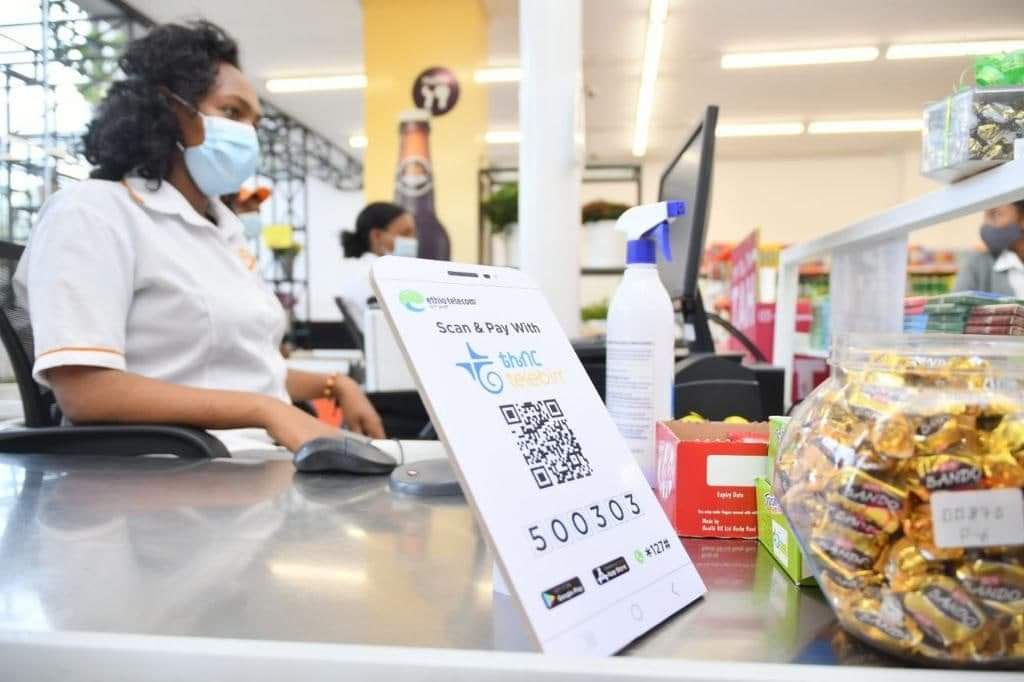
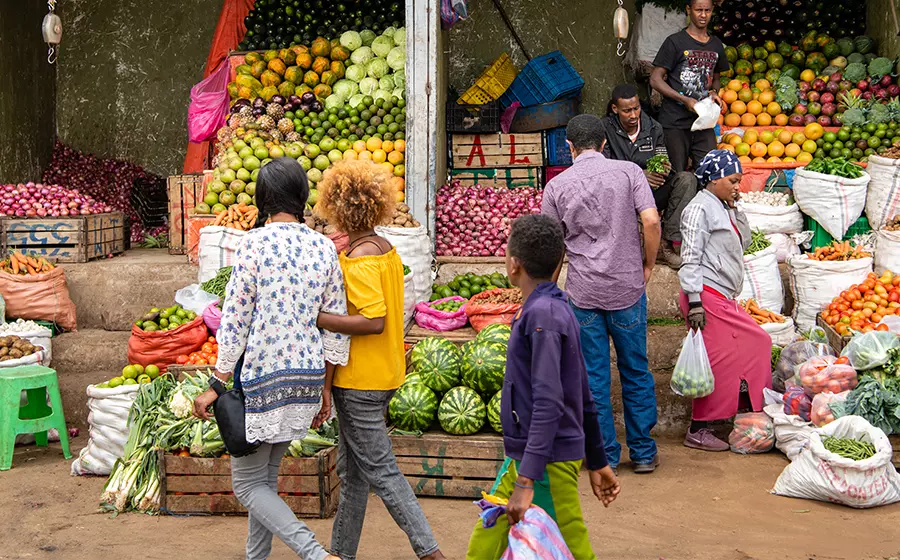
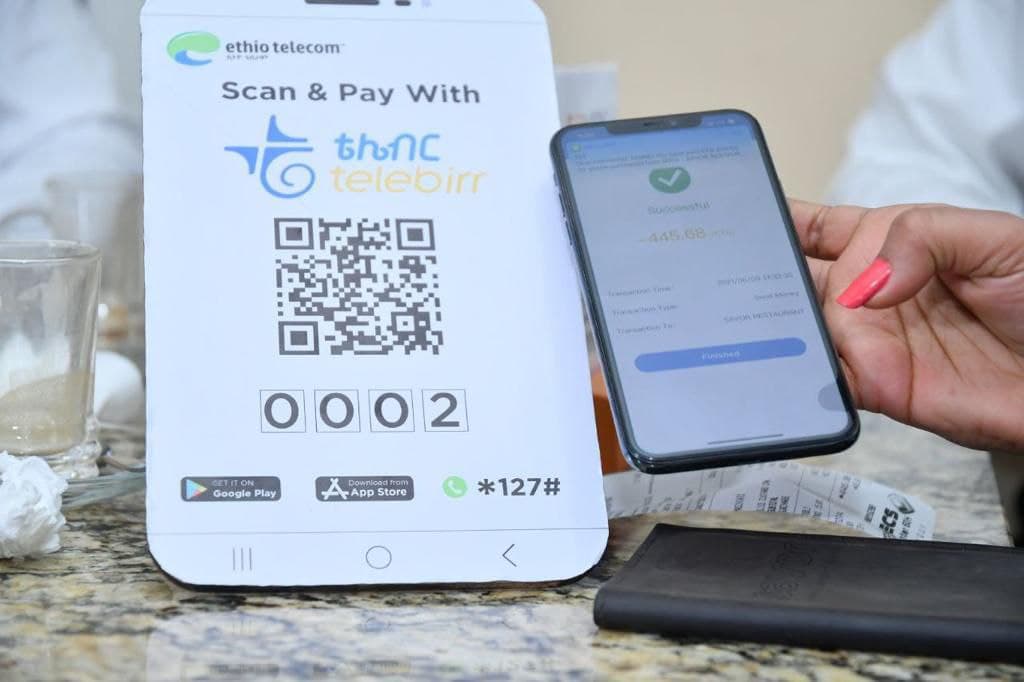
Source: Ethiopia records 58 million mobile money users and 60% growth in digital transactionshttps://www.ena.et/web/eng/w/eng_8234853 A few years ago, seeing a digital payment option at a small business in Ethiopia was uncommon. Today, things are changing. From cafés and supermarkets to pharmacies and local shops, more businesses are accepting mobile payments than ever before. This shift is not happening by accident. It is being driven by changing consumer habits, growing mobile money adoption, and a broader push toward digital financial services. According to recent government figures, Ethiopia now has 58 million mobile money users, while digital payment transactions have increased by 60% in just six months. Those numbers represent more than technology. They represent a major change in how people spend money. Consumers Are Leading the Change Businesses often adapt to customer behavior. As more Ethiopians begin using mobile wallets and digital payment platforms, customers increasingly expect businesses to accept them. For many consumers, paying digitally offers convenience. There is less need to carry cash, search for change, or visit an ATM before making a purchase. When enough customers want a payment option, businesses eventually respond. Small Businesses Are Seeing Practical Benefits Digital payments are not only about customer convenience. They can also simplify business operations. Many merchants report benefits such as: For businesses managing daily sales, digital payment records can provide greater visibility into revenue and customer activity. Ethiopia Is Following a Global Pattern The trend is not unique to Ethiopia. Countries around the world have seen digital payments reshape commerce. In Kenya, M-Pesa transformed mobile transactions. In India, UPI payments became a daily habit for millions. In China, QR-code payments became so common that cash usage declined significantly in many urban areas. While Ethiopia’s market is different, the direction is familiar. Consumers adopt convenience, and businesses adapt accordingly. What This Means for Shoppers The growth of digital payments may create a better shopping experience. As adoption increases, consumers could benefit from: Digital payments can also support the growth of e-commerce and delivery services that depend on convenient transactions. Challenges Remain Despite strong growth, not every business accepts digital payments. Some merchants still face challenges related to: Expanding acceptance across all regions and business sizes will take time. Why This Matters The rise of digital payments is changing more than how money moves. It is changing consumer expectations. Today’s customers increasingly expect flexibility. Businesses that adapt to those expectations may gain an advantage as Ethiopia’s digital economy continues to grow. The Bottom Line The increase in digital payments is not simply a technology trend. It is a consumer trend. As millions of Ethiopians become comfortable paying digitally, businesses are responding by offering more payment options. And as that cycle continues, digital payments may become a standard part of everyday commerce across the country.

Ethiopia’s Inflation Is Slowing. So Why Do Prices Still Feel High?

Posted on | | Leave a Comment on Ethiopia’s Inflation Is Slowing. So Why Do Prices Still Feel High?

Source: IMF Reaches Staff-Level Agreement with Ethiopia on the First Review under the Extended Credit Facility Arrangementhttps://www.imf.org/en/News/Articles/2025/04/01/pr25104-ethiopia-imf-reaches-staff-level-agreement-first-review-ecf-arrangement When people hear that inflation is slowing, many expect prices to start falling. But that is not how inflation works. In Ethiopia, inflation has eased significantly compared to the extremely high levels seen in recent years. Yet many consumers still feel pressure every time they buy groceries, pay rent, or shop for everyday essentials. This creates an important question: If inflation is slowing, why does everything still feel expensive? Inflation Slowing Doesn’t Mean Prices Are Falling One of the biggest misconceptions about inflation is that lower inflation means lower prices. In reality, it means prices are rising more slowly. Imagine a product that increased from 100 birr to 130 birr last year. If inflation slows this year, the same product might rise from 130 birr to 138 birr instead of jumping to 160 birr. The price is still increasing. Just at a slower pace. For consumers, that distinction matters. Why Households Still Feel Pressure Many Ethiopian households experienced several years of rapid price increases. Food, transportation, housing, and imported goods all became more expensive. Even when inflation moderates, those higher prices often remain. As a result, consumers are comparing today’s prices not with last month, but with what they paid a few years ago. That difference can feel dramatic. Imported Goods Face Additional Challenges Many products sold in Ethiopia depend on international supply chains. Electronics, appliances, clothing, vehicle parts, and many consumer goods are affected by: Even if domestic inflation slows, imported products can remain expensive because of these additional factors. Ethiopia Is Not Alone This experience is happening around the world. Countries across Africa, Europe, and North America have seen inflation decline after periods of rapid price growth. Yet consumers in many of those countries still report feeling that everyday life is expensive. The reason is simple. People notice the level of prices more than the speed at which prices change. What Consumers Can Do While individuals cannot control inflation, they can adjust spending habits. Many households are: These behaviors have become increasingly common as consumers adapt to changing economic conditions. Why This Matters Inflation affects more than economics. It affects everyday decisions. What people buy, where they shop, how they save, and when they spend are all influenced by price changes. Understanding the difference between slowing inflation and falling prices helps consumers make better financial decisions. The Bottom Line The good news is that inflation is moving in a more stable direction. The challenge is that consumers are still living with the effects of several years of rising prices. So while inflation may be slowing, many households are still adjusting to a new reality where the cost of everyday life remains significantly higher than it once was.

How Telebirr Changed the Way Ethiopians Pay for Everything

Posted on | | Leave a Comment on How Telebirr Changed the Way Ethiopians Pay for Everything

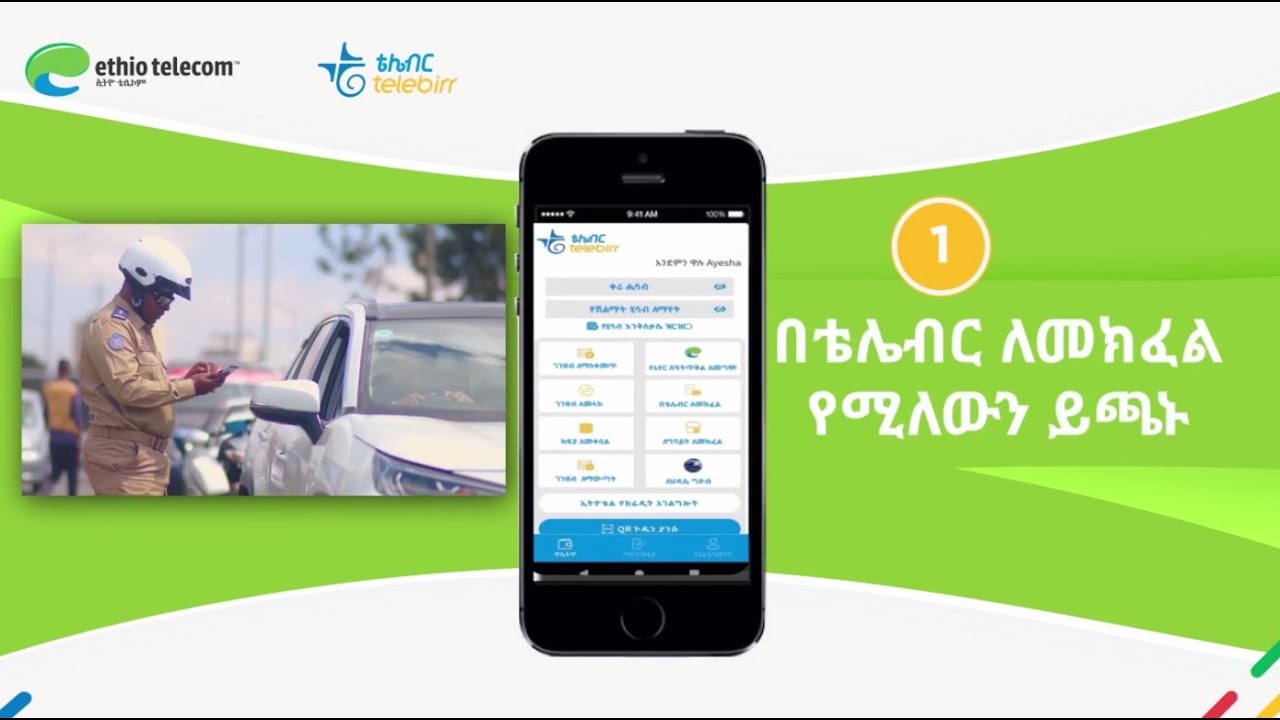
Source: Telebirr records over 1.9 trillion ETB in transactions as Ethio Telecom subscribers surpass 87 millionhttps://www.amn.gov.et/en/telebirr-records-over-1-9-trillion-etb-in-transactions-as-ethio-telecom-subscribers-surpass-87-million/ For many years in Ethiopia, cash was the default way to pay. If you were buying food, paying for transport, or sending money, physical cash was part of the process. But that routine is changing quickly. Today, millions of Ethiopians use mobile money platforms like Telebirr for everyday transactions — from small purchases to larger payments. And the scale of that change is now measurable. Telebirr has processed trillions of birr in transactions, showing how deeply digital payments are entering daily life in Ethiopia. From Cash-Based Habits to Digital Payments The shift did not happen overnight. It started with small changes: Then it expanded into everyday commerce. Now, paying with a phone is becoming normal in cities like Addis Ababa, where more merchants accept digital payments alongside cash. This shift reflects a broader change in consumer behavior — not just in Ethiopia, but globally. Ethiopia Is Following a Global Trend The rise of mobile payments in Ethiopia mirrors what has already happened in other countries. In China, platforms like Alipay and WeChat Pay transformed everyday shopping into a fully digital experience. In Kenya, M-Pesa became one of the most widely used mobile money systems in the world. In India, UPI payments turned mobile transfers into a daily habit for millions. Ethiopia is now entering a similar phase — but at its own pace, shaped by infrastructure, access, and local systems. Why Consumers Adopted Telebirr Quickly The adoption of Telebirr is driven by practicality more than technology. For many users, it solves real problems: When a system removes friction, people adopt it quickly. That is exactly what is happening in Ethiopia’s payment landscape. What This Means for Small Businesses The impact is not limited to consumers. Small and medium businesses are also adapting. More shops, cafés, transport services, and retailers now accept mobile payments. This changes how they operate: For many businesses, accepting digital payments is becoming less of an option and more of a requirement to stay competitive. The Bigger Economic Shift The growth of mobile money is not just a technology story. It is part of a larger economic transition. As digital payments expand, they create conditions for: Each new user strengthens the ecosystem, making digital payments more useful for everyone involved. Challenges Still Remain Despite rapid growth, there are still barriers: These challenges will shape how fast and how evenly digital payments grow across Ethiopia. Why This Matters Telebirr is not just a payment tool. It represents a shift in behavior. Ethiopians are gradually moving from a cash-first system to a hybrid digital economy where mobile phones play a central role in daily transactions. That shift affects not only how people pay — but how they shop, save, and interact with businesses. The Bottom Line The rise of Telebirr shows how quickly financial habits can change when the right system is in place. What once required physical cash is now often done in seconds through a phone. And as adoption continues to grow, digital payments may soon become the default way Ethiopians handle everyday transactions.

58 Million Ethiopians Now Use Mobile Money. What Does That Mean for Consumers?

Posted on | | Leave a Comment on 58 Million Ethiopians Now Use Mobile Money. What Does That Mean for Consumers?

For years, cash dominated everyday life in Ethiopia. Whether you were paying for groceries, sending money to family, or settling a bill, cash was usually the default option. That reality is changing faster than many people realize. According to recent figures shared by Prime Minister Abiy Ahmed, Ethiopia now has 58 million mobile money users, while digital payment transactions have grown by 60% over the past six months alone. https://www.ena.et/web/eng/w/eng_8234853 That is one of the biggest shifts happening in the Ethiopian economy today. But what does it actually mean for consumers? Ethiopia Is Moving Away From Cash Only a few years ago, most financial transactions in Ethiopia happened physically. Today, mobile wallets are becoming part of daily life. The government reports that more than 97 million Ethiopians now use mobile services, creating the foundation for rapid digital payment growth. For consumers, this means fewer trips to banks, faster transfers, and more payment options than ever before. A growing number of people can now: Telebirr Is Driving Much of This Growth One of the biggest players behind this transformation is Ethio Telecom through its mobile money platform Telebirr. According to company reports, Telebirr has reached approximately 58.6 million users and processed more than 6.8 trillion birr in transactions since launch. More than 1.9 trillion birr of that volume occurred within the last six months alone.https://www.amn.gov.et/en/telebirr-records-over-1-9-trillion-etb-in-transactions-as-ethio-telecom-subscribers-surpass-87-million/ These numbers show that digital payments are no longer a niche service. They are becoming mainstream. What This Means for Shoppers For consumers, the biggest benefit is convenience. Paying digitally often means: As more businesses adopt digital payments, shoppers may find it easier to compare prices, access promotions, and complete purchases without needing physical cash. This trend could also support the growth of Ethiopian e-commerce and online services. The Opportunity for Businesses Digital payments do not only help consumers. Small businesses can benefit as well. Digital transactions can reduce cash handling, simplify accounting, and make it easier to serve customers who prefer mobile payments. https://ethiopianweb.net/ethiopia-digital-payments-2026-tech-shift/ For merchants, accepting digital payments is increasingly becoming a competitive advantage rather than an optional feature. Challenges Still Remain Despite the impressive growth, challenges remain. Many Ethiopians still face: The next phase of growth will depend not only on adding users but also on improving trust and everyday usability. Why This Matters Digital payments are changing how Ethiopians spend, save, and do business. Just a few years ago, sending money often meant carrying cash or visiting a bank. Today, millions of people can complete the same task in seconds from their phones. That shift may seem simple. But over time, it has the potential to reshape shopping, commerce, banking, and financial inclusion across Ethiopia. The Bottom Line The rise of mobile money is no longer a future trend. It’s happening right now. With 58 million users already participating in Ethiopia’s digital payment ecosystem, the question is no longer whether digital payments will grow. The question is how quickly they will become the normal way Ethiopians pay for everyday life.

Why Does a $5 Discount Feel Better Than Finding $5?

Posted on | | Leave a Comment on Why Does a $5 Discount Feel Better Than Finding $5?

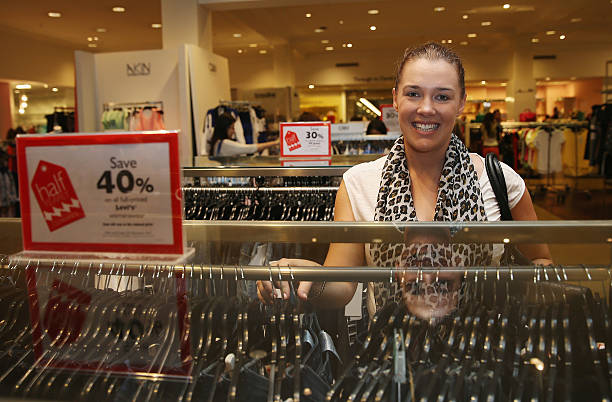
Imagine two situations. In the first, someone hands you $5. In the second, you buy something and save $5 through a discount. Strangely, many people feel more excited about the second one. Even though the amount is exactly the same. Why? Because shopping isn’t just about money. It’s about perception. The feeling of winning A discount feels like a victory. You spotted the deal. You acted at the right time. You avoided paying more. That creates a small sense of achievement. Finding money feels lucky. Saving money feels earned. And earned rewards often feel better. Why stores love discounts Businesses understand this psychology well. A small discount can create a surprisingly strong emotional reaction. That’s why promotions are everywhere. Not because the savings are always huge. Because the feeling they create is powerful. The difference between value and emotion The actual financial outcome may be identical. You end up with the same amount of money. But emotionally, the experiences are different. One feels passive. The other feels active. And people naturally enjoy feeling involved in a smart decision. When the feeling becomes misleading The problem starts when the excitement of saving becomes more important than the purchase itself. You stop asking: “Do I need this?” And start asking: “How much can I save?” That shift can lead to purchases that never would have happened without the discount. The hidden question The next time a deal makes you feel excited, ask yourself: 👉 Am I happy about the product, or happy about the discount? The answer can reveal what’s really driving the decision. Why this matters There’s nothing wrong with enjoying a good deal. The goal isn’t to remove emotion from shopping. It’s simply to recognize when emotion is leading the purchase. Because awareness creates better decisions. The bottom line A discount doesn’t just reduce a price. It creates a feeling. And sometimes that feeling is worth more to us than the money itself. Because in the end, people don’t just buy products or save money… they also buy the satisfaction of feeling like they got a great deal.

You Thought You Were Comparing Prices — But You Were Comparing Feelings

Posted on | | Leave a Comment on You Thought You Were Comparing Prices — But You Were Comparing Feelings

It looks logical from the outside. Two products. Two prices. One decision. Simple comparison. But most shopping decisions are not purely about numbers. They’re about how those numbers make you feel. Why one option suddenly “feels right” Sometimes a product feels too cheap. Another feels too expensive. And one lands perfectly in the middle — comfortable, reasonable, safe. That feeling often becomes the decision. Not the actual value. The hidden emotional calculations While comparing prices, your brain is also comparing emotions: Those emotional signals work quietly in the background. But they influence more than most people realize. Why expensive products can feel better Higher prices sometimes create confidence. They suggest quality, reliability, or status — even before the product is experienced. That’s why people occasionally choose the more expensive option while believing they’re making the more rational choice. Because emotionally, it feels stronger. Why cheap options can feel uncomfortable Low prices don’t always feel satisfying. Sometimes they create doubt: So even when the cheaper option is perfectly fine, it can still lose emotionally. The strange truth about comparison People rarely compare products objectively. They compare imagined outcomes. How each purchase might feel after buying it. And that imagined feeling shapes the final decision more than the actual numbers. A better way to compare The next time you’re stuck between options, pause and ask: 👉 Am I comparing value… or trying to avoid a certain feeling? That question changes the entire perspective. The bottom line Shopping decisions often look rational on the surface. But underneath, emotion is usually guiding the direction. Because in the end, people don’t just buy products… they buy the feeling they expect the purchase to create.

The Discount Didn’t Change the Product — It Changed You

Posted on | | Leave a Comment on The Discount Didn’t Change the Product — It Changed You

The product stayed exactly the same. Same quality. Same function. Same purpose. But the moment the discount appeared, your reaction changed completely. Suddenly it felt interesting. Worth considering. Maybe even hard to ignore. What discounts actually influence Most people think discounts change value. But often, they mainly change perception. A product that felt “too expensive” yesterday can suddenly feel reasonable today — even if the final price is still high. Not because the item became better. Because the feeling around it changed. Why the brain reacts so strongly Discounts create emotional movement. They trigger: And those emotions quietly influence the decision before logic fully catches up. The moment attention becomes desire At first, you simply notice the deal. Then you start imagining the product. Then you start imagining owning it. That progression happens quickly. And by the time you realize it, interest already feels personal. Why this matters Because many purchases are not driven by need alone. They’re driven by emotional timing. A discount creates the perfect moment for desire to feel justified. The illusion people rarely notice Sometimes the product itself was never that important. The emotional reaction was. The excitement of catching a deal becomes stronger than the actual usefulness of what’s being bought. And that’s when shopping stops being intentional. A simple way to reset your thinking The next time a discount grabs your attention, pause and ask: 👉 What exactly changed here — the product, or my reaction to it? That question separates value from emotion surprisingly fast. The bottom line Discounts don’t just lower prices. They reshape how people feel about spending. Because in the end, the strongest part of many deals isn’t the product itself… it’s the emotional shift created by seeing the price drop.