Ever Notice How Fast “Maybe” Turns Into “Buy Now”?

Posted on | | Leave a Comment on Ever Notice How Fast “Maybe” Turns Into “Buy Now”?

At first, you’re unsure. You’re just considering it. Maybe you’ll buy it. Maybe you won’t. Nothing feels decided yet. But then something strange happens. A few minutes later, you’re already reaching checkout. The speed of modern shopping Shopping used to have pauses. You had time to leave the store, think about it, come back another day. Now those pauses barely exist. Everything moves quickly: And when the process becomes faster, hesitation has less time to survive. How “maybe” slowly disappears You start by imagining the product. Then you compare options. Then you picture yourself using it. That emotional connection grows quietly in the background. And once that happens, buying starts feeling less like a decision… and more like a natural next step. Why urgency makes it worse Add a countdown timer or “limited stock” message, and uncertainty disappears even faster. Because now it feels risky not to decide. The fear of missing the opportunity becomes stronger than the need to think carefully. The dangerous feeling of momentum Momentum is powerful. Once you’ve: …your brain already feels partially committed. At that point, checkout no longer feels like a big decision. It feels like finishing what you already started. What usually happens afterward After the excitement fades, clarity returns. Sometimes the purchase still makes sense. Sometimes you realize the decision happened much faster than the actual need. And that difference matters. The easiest way to slow it down Not every purchase needs to be stopped. But every purchase benefits from a pause. Even ten minutes away from the screen can completely change the emotional intensity of the decision. The bottom line Most impulse purchases don’t begin with certainty. They begin with momentum. Because in the end, the real shift isn’t from “no” to “yes”… it’s from “maybe” to “too fast to question.”

The “Better Deal” Made You Spend More

Posted on | | Leave a Comment on The “Better Deal” Made You Spend More

At first, you were going to buy the cheaper option. Simple. Easy. Enough for what you needed. Then you saw the “better deal.” A slightly bigger package. A higher discount. A bundle that looked more valuable. And suddenly, spending more started feeling smarter. How the decision quietly changes The moment a “better value” option appears, your focus shifts. You stop asking:“What do I need?” And start asking:“What gives me more for the money?” That sounds logical. But it also changes the direction of the purchase completely. Why the expensive option starts feeling reasonable The difference in price often feels small compared to the difference in value. So your brain starts calculating the upgrade instead of the total cost. You think: And just like that, your budget quietly expands. The psychology behind the comparison The expensive option doesn’t need to feel cheap. It only needs to feel better than the alternative. That’s what makes comparison so powerful in shopping. Your decision becomes relative instead of intentional. When a better deal actually helps Sometimes upgrading does make sense. If: Then spending more can still be smart. When it becomes a trap The problem starts when the “better deal” creates needs that weren’t there before. You buy more features, more quantity, or more product than you originally intended — simply because the comparison made it feel justified. Not because you actually needed it. A small question that changes the decision Before upgrading, pause and ask: 👉 If the better deal didn’t exist, would the original option still satisfy me? If the answer is yes, then the upgrade may not be as necessary as it feels. The bottom line A better deal can still lead to unnecessary spending. Especially when comparison replaces clarity. Because in the end, spending more efficiently is still spending more… and sometimes the smartest choice was the simpler one from the beginning.

If It Wasn’t on Sale, Would You Even Notice It?

Posted on | | Leave a Comment on If It Wasn’t on Sale, Would You Even Notice It?

Some products don’t stand out because they’re special. They stand out because they’re discounted. The bright label, the crossed-out price, the “limited offer” banner — all of it pulls your attention in a specific direction. And once something gets your attention, it starts feeling important. The strange power of visibility A product can sit unnoticed for weeks. Then suddenly: And now it feels different. Not because the product changed. Because your attention changed. How discounts create interest Sometimes people think they want the product. But what they actually want is the feeling attached to the deal. The excitement. The opportunity. The sense of catching something at the right time. That emotional layer makes ordinary things feel more valuable than they really are. Why attention matters so much What gets noticed gets considered. And what gets considered has a chance of being bought. That’s why discounts are often designed to be loud visually. Not just cheaper — impossible to ignore. The moment the question becomes useful The easiest way to test your interest is simple: 👉 If this product had no discount label, would I still stop for it? That question removes the spotlight effect. And suddenly, the product becomes easier to judge clearly. When the answer changes everything If you would still want it without the sale, then the offer is probably supporting a real decision. But if the interest disappears the moment the discount disappears… then the deal was carrying most of the attraction. The quiet truth behind many purchases A lot of buying decisions don’t begin with need. They begin with attention. And discounts are experts at capturing it. The bottom line Not every product earns your interest naturally. Sometimes the sale sign does all the work. Because in the end, the real question isn’t whether the discount is good… it’s whether the product mattered before the discount appeared.

You Were Just Browsing… So Why Does Checkout Feel Inevitable?

Posted on | | Leave a Comment on You Were Just Browsing… So Why Does Checkout Feel Inevitable?

The numbers are exactly the same. But one feels good… and the other doesn’t. That’s the strange thing about shopping language. The way a deal is presented can completely change how it feels, even when the math stays identical. Why the first version feels better “Saving” feels positive. It feels like progress. Like advantage. Like gaining something. Spending feels different. It reminds you that money is leaving your pocket. So naturally, your attention moves toward the version that feels better emotionally. How stores shape perception Most offers are designed around emotion first. That’s why you almost never see:“You’re still paying 60%.” Instead, you see:“Save 40% today.” Both are true. But one encourages action far more effectively. The mind focuses on the reward When people see a discount, they often focus on what’s being avoided instead of what’s being spent. That changes the emotional weight of the decision. The purchase starts feeling smaller than it actually is. Not because the number changed… but because the framing did. Why this matters Because perception quietly influences behavior. A product that feels expensive at full price can suddenly feel reasonable once the “saving” becomes visible. Even if the final amount is still high. The hidden shift in thinking The focus changes from:“How much am I paying?” to:“How much am I saving?” And once that happens, the emotional side of the decision becomes much stronger than the practical side. A simple way to reset your perspective The next time you see a large discount, ignore the percentage for a moment. Look only at the final amount leaving your pocket. That number tells the real story. Everything else is framing. The bottom line The way a price is presented can influence how you feel about spending it. Even when nothing about the actual cost changes. Because in the end, shopping decisions are not driven by numbers alone… they’re driven by how those numbers are made to feel.

“You’re Saving 40%” Sounds Better Than “You’re Spending 60%”

Posted on | | Leave a Comment on “You’re Saving 40%” Sounds Better Than “You’re Spending 60%”

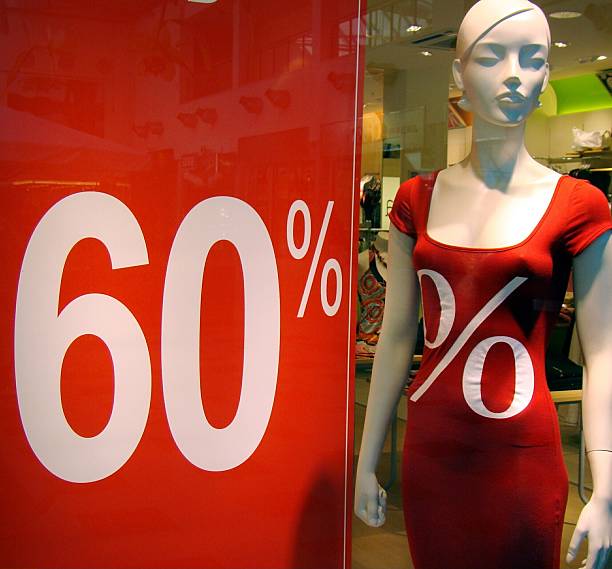
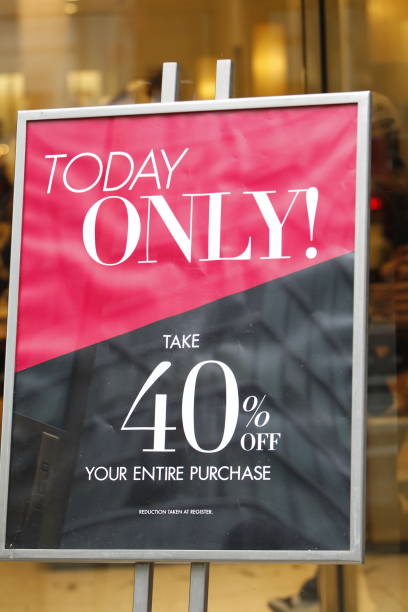
The numbers are exactly the same. But one feels good… and the other doesn’t. That’s the strange thing about shopping language. The way a deal is presented can completely change how it feels, even when the math stays identical. Why the first version feels better “Saving” feels positive. It feels like progress. Like advantage. Like gaining something. Spending feels different. It reminds you that money is leaving your pocket. So naturally, your attention moves toward the version that feels better emotionally. How stores shape perception Most offers are designed around emotion first. That’s why you almost never see:“You’re still paying 60%.” Instead, you see:“Save 40% today.” Both are true. But one encourages action far more effectively. The mind focuses on the reward When people see a discount, they often focus on what’s being avoided instead of what’s being spent. That changes the emotional weight of the decision. The purchase starts feeling smaller than it actually is. Not because the number changed… but because the framing did. Why this matters Because perception quietly influences behavior. A product that feels expensive at full price can suddenly feel reasonable once the “saving” becomes visible. Even if the final amount is still high. The hidden shift in thinking The focus changes from:“How much am I paying?” to:“How much am I saving?” And once that happens, the emotional side of the decision becomes much stronger than the practical side. A simple way to reset your perspective The next time you see a large discount, ignore the percentage for a moment. Look only at the final amount leaving your pocket. That number tells the real story. Everything else is framing. The bottom line The way a price is presented can influence how you feel about spending it. Even when nothing about the actual cost changes. Because in the end, shopping decisions are not driven by numbers alone… they’re driven by how those numbers are made to feel.

The Most Dangerous Word in Shopping Might Be “Only”

Posted on | | Leave a Comment on The Most Dangerous Word in Shopping Might Be “Only”

Only 2 left.Only today.Only for members.Only a few hours remaining. It’s a small word. But it changes the entire feeling of a purchase. Why “only” creates pressure instantly “Only” makes something feel limited. And limited things feel important. The moment you think something might disappear, your attention changes. You stop thinking carefully. You start thinking quickly. The fear hiding underneath it Most people are not reacting to the product itself. They’re reacting to the possibility of missing it. And missing something feels uncomfortable — even when you weren’t planning to buy it in the first place. That’s what makes urgency so powerful. How the decision speeds up Without urgency, you would probably: But “only” interrupts that process. It creates the feeling that waiting is risky. So instead of slowing down, you move faster. Why it feels reasonable in the moment The decision still feels logical. You tell yourself: And those thoughts create confidence. Even if the confidence came from pressure. What changes after the moment passes Later, the urgency disappears. The countdown is gone. The pressure fades. And now the purchase looks different. Not necessarily bad — just clearer. Because now you’re seeing the product without the emotional timing attached to it. A better way to respond to urgency The next time you see the word “only,” pause for a second and ask: 👉 If there was no time pressure, would I still want this? That question slows the moment down. And clarity usually appears when speed disappears. The bottom line Urgency doesn’t just change timing. It changes thinking. Because in the end, the most powerful part of many deals isn’t the discount… it’s the fear of missing the chance.

Would You Still Want It Without the Discount?

Posted on | | Leave a Comment on Would You Still Want It Without the Discount?

You see the price drop. It catches your attention immediately. The same item that felt expensive a moment ago now feels reasonable… maybe even worth it. And just like that, the decision starts forming. But there’s one question that rarely gets asked at that moment. What the discount changes The product didn’t change. Its quality didn’t change. Its usefulness didn’t change. Only the price did. Yet that single change is enough to completely shift how you feel about it. How the feeling becomes the decision At first, it’s just interest. Then it becomes consideration. And then it quietly turns into intention. Not because the product suddenly became necessary… but because it now feels like an opportunity. The moment that matters most There’s a small window before you decide. A moment where you can step back and look at the situation clearly. But most of the time, that moment passes quickly. Because the discount creates momentum. What happens when the discount disappears Imagine seeing the same item at full price. No label. No offer. No urgency. Would you still stop and think about it? Or would you scroll past without a second thought? That difference reveals something important. Why this question works It removes the influence. It separates the product from the offer. And it brings the decision back to something simple: Do you actually want it? When the answer becomes clear If the answer is yes, then the discount is helpful. It makes a good decision better. If the answer is no, then the discount was doing most of the work. The bottom line A discount can make something feel right. But it doesn’t make it necessary. Because in the end, the real value of a purchase isn’t decided by the price… it’s decided by whether you wanted it before the deal existed.

Are You Saving Money — or Just Spending Differently?

Posted on | | Leave a Comment on Are You Saving Money — or Just Spending Differently?

It feels like saving. The price is lower. The deal looks good. You walk away thinking you made a smart move. But sometimes, nothing was actually saved. Only the way you spent changed. The moment it feels like a win You see a discount and react quickly. Not because you need to rush…but because it feels like the right time. The logic is simple:“Better to get it now than pay more later.” And that thought alone makes the decision feel correct. What actually changed The price went down. That’s true. But something else happened quietly at the same time. You decided to spend. And that part is often ignored. When saving is real Saving happens when a cost already exists. You planned to buy something. You needed it. And then you found it for less. That’s clear. That’s real. The discount reduced an expense that was already going to happen. When it only feels like saving Now imagine the opposite. You didn’t plan to buy anything. But the deal appears. And suddenly, spending feels like a smart move. Because it’s cheaper. But cheaper than what? If there was no plan to spend, then nothing was reduced. Something was added. The shift most people don’t notice The focus moves from:“Do I need this?” To:“Is this a good deal?” That small shift is enough to change the entire outcome. Because now the decision is based on the offer — not the need. A simple way to see it clearly Before buying, pause for a moment and ask: 👉 Would I still spend this money if there was no discount? If the answer is yes, the deal is helping you. If the answer is no, the deal is leading you. The bottom line Saving money is not just about paying less. It’s about whether the spending made sense in the first place. Because in the end, a lower price doesn’t always mean a better decision… sometimes it just means the same decision, made differently.

Did You Really Choose Everything in Your Cart?

Posted on | | Leave a Comment on Did You Really Choose Everything in Your Cart?

It starts with one item. Just one. You open the app thinking it will be a quick check — maybe one purchase, nothing more. But somehow, the cart doesn’t stay simple. One item turns into a chain You add the first product. Then suggestions appear. Then related items. Then “customers also bought…” Nothing feels forced. Nothing feels urgent. But everything feels easy to add. And that’s where the shift begins. When browsing stops being neutral At first, you’re just looking. Then you start considering. Then you start comparing. And before you notice it, you’re no longer asking what you need — you’re asking what fits best in the cart. The quiet change in thinking The question slowly changes: From“What do I actually need?” To“What should I take while I’m here?” That shift is subtle, but it changes everything. Because now, the cart is driving the decisions — not the intention. Why it feels completely normal Nothing feels wrong in the moment. Each item has a reason. Each addition feels small. There’s no clear point where it becomes “too much.” Only accumulation that feels justified step by step. The moment it becomes visible It only becomes obvious after checkout. When the browsing stops. When the suggestions disappear. When there’s no more flow guiding your attention. And you finally see everything together. A simple question that resets everything Before adding anything new, there’s one question that breaks the pattern: 👉 Did I actually plan to buy this before I opened the app? If the answer is no, then the cart is no longer reflecting intention — just interaction. The bottom line A cart is not just what you decide to buy. It’s what happens when small decisions stack without pause. Because in the end, the real question isn’t what’s inside your cart… it’s whether you ever truly chose it — or just added it along the way.