You Bought It for the Deal — Not the Need
Posted on | | Leave a Comment on You Bought It for the Deal — Not the Need
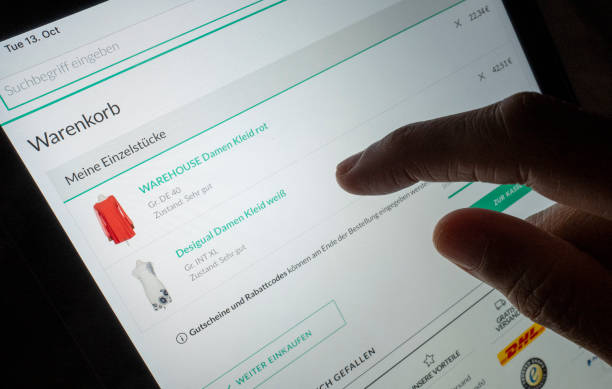
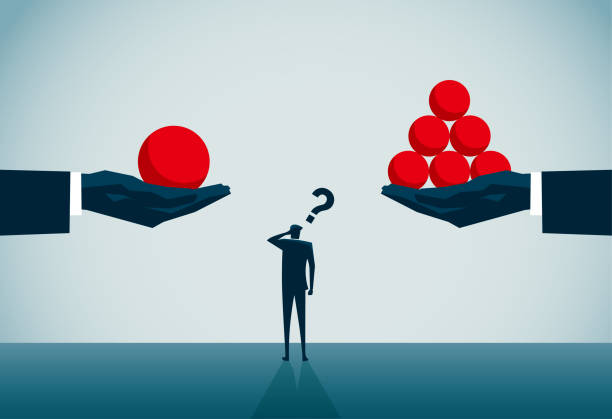
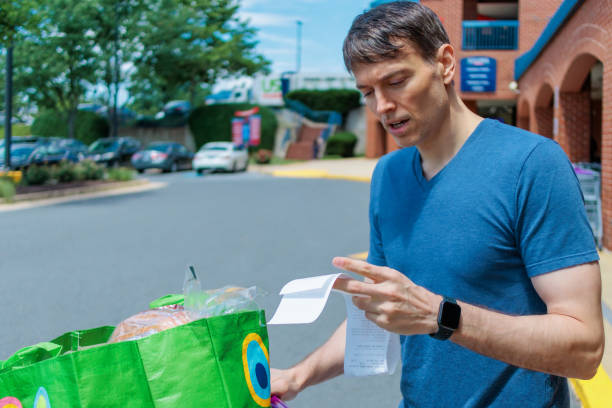
It didn’t start with a need. It started with a deal. A discount, a limited offer, a “you might miss this” moment — something small that made you stop scrolling. And suddenly, the question wasn’t “Do I need this?” It became “Should I get it before it’s gone?” How the shift happens quietly Most people don’t notice the exact moment it changes. At first, you’re just looking. Then you’re interested. Then you’re checking the price. And somewhere in between, the deal becomes the reason. Not the product. Why the deal feels more important than the need A good offer feels like an opportunity. And opportunities feel rare. So your mind treats it as something you should act on, even if you didn’t plan for it. That urgency replaces the original thinking process. Need gets pushed aside. Timing takes over. The story you tell yourself after Once the decision is made, the mind quickly builds justification. These thoughts don’t appear before buying. They appear after. To make the decision feel right. When it actually makes sense Buying because of a deal isn’t always wrong. It works when: In that case, the deal supports the decision. It doesn’t create it. When it becomes a problem The issue starts when the order flips. Instead of:Need → Deal It becomes:Deal → Need (created after) That’s when spending shifts from intentional to reactive. And that’s where most unnecessary purchases happen. The simple question that breaks it Before buying, there’s one question that changes everything: 👉 “Would I still want this if there was no discount?” If the answer becomes unclear, the deal is doing most of the decision-making. The bottom line Deals are meant to support buying decisions, not create them. But in many cases, they quietly take the lead. Because in the end, the real difference isn’t between full price and discounted price… it’s between buying what you need and needing what you already saw on offer.